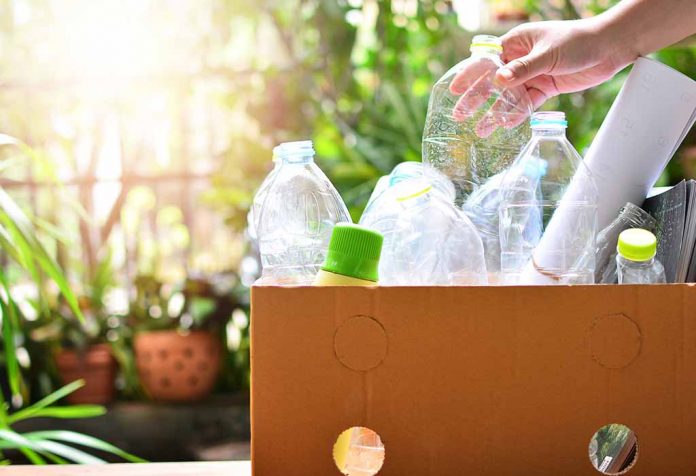
PET (polyethylene terephthalate) is a type of plastic that is commonly used for packaging food and beverages. It is lightweight, durable, and cost-effective, making it a popular choice for manufacturers. However, the widespread use of PET has also led to an increase in plastic waste, which poses a significant threat to our planet’s resources. PET Recycling plays a crucial role in reducing this environmental impact and preserving our planet for future generations.
PET recycling involves collecting used PET products such as water bottles, soda bottles, and food containers and processing them into new materials that can be used to make new products. This process not only reduces the amount of plastic waste in landfills but also conserves natural resources such as oil and gas that are used to produce virgin PET.
One of the main benefits of PET recycling is its positive impact on the environment. Plastic waste takes hundreds of years to decompose naturally, releasing harmful chemicals into the soil and water sources during this process. By recycling PET products instead of sending them to landfills or incinerators, we can significantly reduce pollution levels and protect our ecosystems.
Moreover, PET recycling helps conserve energy by reducing the need for extracting raw materials from natural resources. Producing recycled PET requires 84% less energy than producing virgin PET from scratch. This not only reduces carbon emissions but also helps conserve non-renewable energy sources like fossil fuels.
Another essential aspect of PET recycling is its economic benefits. The demand for recycled plastics has been steadily increasing over recent years due to growing awareness about environmental issues among consumers and businesses alike. As a result, there are now more opportunities for companies involved in collecting and processing recycled plastics than ever before.
Furthermore, investing in PET recycling infrastructure creates jobs within local communities while promoting sustainable practices at the same time. This not only benefits the economy but also helps build a more environmentally conscious society.
However, PET recycling is not without its challenges. One of the main obstacles is the lack of proper waste management systems in many parts of the world. This leads to PET products ending up in landfills or oceans, where they can take hundreds of years to decompose and cause harm to wildlife and marine life.
To address this issue, it is crucial for governments and businesses to invest in better waste management infrastructure and promote responsible disposal practices among citizens. Consumers can also play their part by properly disposing of PET products in designated recycling bins instead of throwing them away with regular trash.
Conclusion: PET recycling plays a vital role in protecting our planet’s resources by reducing plastic waste, conserving energy, and promoting sustainable practices. It not only benefits the environment but also has economic advantages such as job creation and promoting a greener economy. However, it requires collective efforts from individuals, businesses, and governments to ensure proper waste management systems are in place for effective PET recycling. Let us all do our part in preserving our planet for future generations by choosing PET recycling as a responsible way to manage plastic waste.